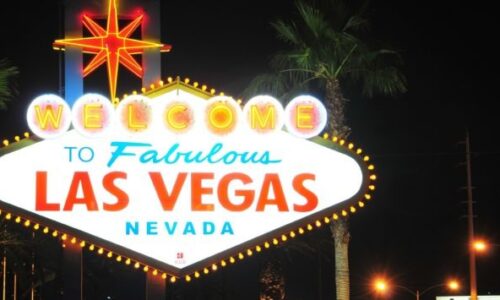
Las Vegas draws more than 40 million visitors annually alongside its substantial resident population, creating a personal injury litigation environment shaped by tourism-related incidents, the Strip’s unique traffic patterns, and the hospitality industry’s massive footprint across the valley. For residents and visitors alike navigating a personal injury claim in Las Vegas, understanding Nevada’s specific legal framework provides an essential foundation for protecting a claim’s value.
Nevada’s Modified Comparative Negligence Standard
Nevada follows a modified comparative negligence system under Nevada Revised Statutes Section 41.141, allowing an injured party to recover damages as long as their own fault does not exceed 50 percent, with any award reduced proportionally by their percentage of responsibility. A plaintiff found 51 percent or more at fault for an accident is barred from recovery entirely, making the threshold question of fault allocation a central strategic consideration in contested Las Vegas personal injury cases.
This framework places significant weight on how thoroughly evidence is developed following an incident, since insurance carriers routinely investigate potential comparative fault theories that could push a claimant’s assigned responsibility toward or past the critical 51 percent threshold. Given Las Vegas’s high volume of tourism-related incidents, cases frequently involve visitors unfamiliar with local traffic patterns or property layouts, a factor that defense counsel sometimes attempts to characterize as contributory negligence on the injured party’s part.
Tourism-Related Premises Liability Claims
Las Vegas’s hospitality industry, encompassing dozens of major resort properties along the Strip and throughout the valley, generates a substantial volume of premises liability claims involving slip and falls, inadequate security, swimming pool incidents, and similar hazards arising at hotels, casinos, and entertainment venues. Nevada premises liability law generally requires establishing that a property owner knew or reasonably should have known about a hazardous condition before an injury occurred, a standard that applies with particular relevance given the scale and complexity of Las Vegas resort properties.
According to the Las Vegas Convention and Visitors Authority, the resort corridor welcomes tens of millions of visitors each year, a volume that inherently produces a meaningful number of premises liability incidents given the sheer scale of foot traffic across casino floors, pool decks, and hotel common areas throughout the valley.
Rideshare and Pedestrian Accidents Along the Strip
Las Vegas Boulevard and the surrounding resort corridor present a distinctive traffic environment, combining heavy pedestrian volume with substantial rideshare and taxi activity serving visitors moving between properties. This combination has produced a recurring pattern of pedestrian accidents and rideshare-related collisions that require navigating both standard motor vehicle liability principles and the specific insurance frameworks that govern rideshare platforms operating in Nevada.
Rideshare accident claims involve particular complexity around insurance coverage, since the applicable policy and coverage limits can vary significantly depending on whether a driver was actively transporting a passenger, en route to a pickup, or simply logged into the app awaiting a ride request at the time of an incident.
Sweet James Las Vegas personal injury represents injured clients across Las Vegas, handling matters spanning premises liability at resort properties, pedestrian and rideshare accidents along the Strip corridor, and traditional motor vehicle collisions throughout the valley. A firm representative noted that visitor cases present distinctive challenges: “A lot of our Las Vegas clients aren’t from here, and they often don’t know what to do immediately after an accident, especially with a flight home already booked. We work to make sure evidence gets preserved and documented properly even when the client themselves isn’t going to be in town to help gather it personally.”
Practical Steps Following a Las Vegas Accident
Documenting the scene of any accident thoroughly, including photographs of the specific conditions involved, whether that’s a hazardous walkway, an intersection, or vehicle damage, creates a factual record that proves valuable regardless of whether a claimant remains in Las Vegas or returns home shortly after an incident. Obtaining a copy of any police report, and identifying witnesses who may have limited time in the city themselves before departing, similarly strengthens a claim’s foundation.
Nevada’s statute of limitations for personal injury claims is generally two years from the date of the incident, providing a workable window even for visitors who may need time after returning home to fully understand the scope of their injuries and evaluate their legal options.
Understanding Nevada’s Insurance Requirements
Nevada requires drivers to carry minimum liability insurance, though as in most states, these minimums often prove insufficient to fully compensate victims of serious collisions. Given the substantial volume of out-of-state and rental vehicle traffic in Las Vegas, understanding how insurance coverage actually applies, including any rental car company coverage, personal auto policy provisions that may extend to rental vehicles, and available uninsured or underinsured motorist coverage, becomes particularly important for visitors involved in serious accidents far from home. Many visitors are also unaware that their home state auto policy may follow them to Nevada and provide coverage even when driving a rental vehicle, a detail worth confirming with an insurance provider before any trip involving driving.
For both Las Vegas residents and the millions of visitors who pass through the city each year, understanding Nevada’s specific legal framework, from its comparative negligence standard to the particular dynamics of resort corridor premises liability and rideshare accidents, provides an essential foundation for protecting a personal injury claim’s full value in one of the country’s most heavily visited entertainment destinations.