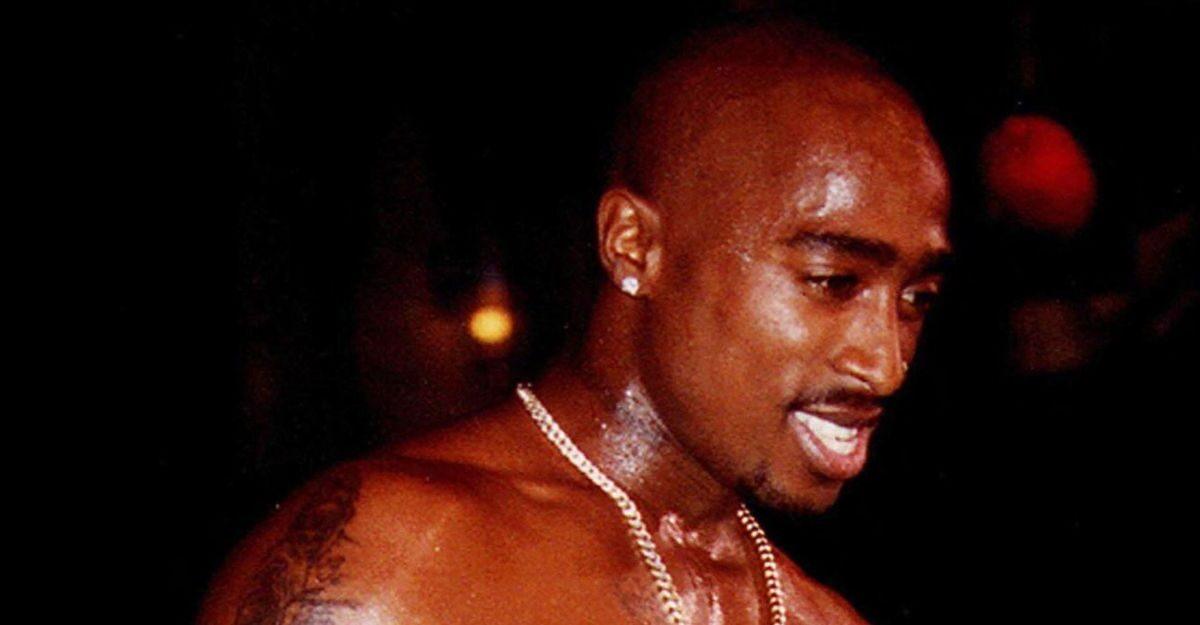
Nearly 30 years after Tupac Shakur was killed in Las Vegas, the long-unsolved case has reached trial. Prosecutors opened their case against Duane “Keffe D” Davis on Monday, alleging that the 1996 killing stemmed from a confrontation earlier that night and amounted to “an act of revenge.”
Tupac’s Murder Trial Begins in Las Vegas After Decades
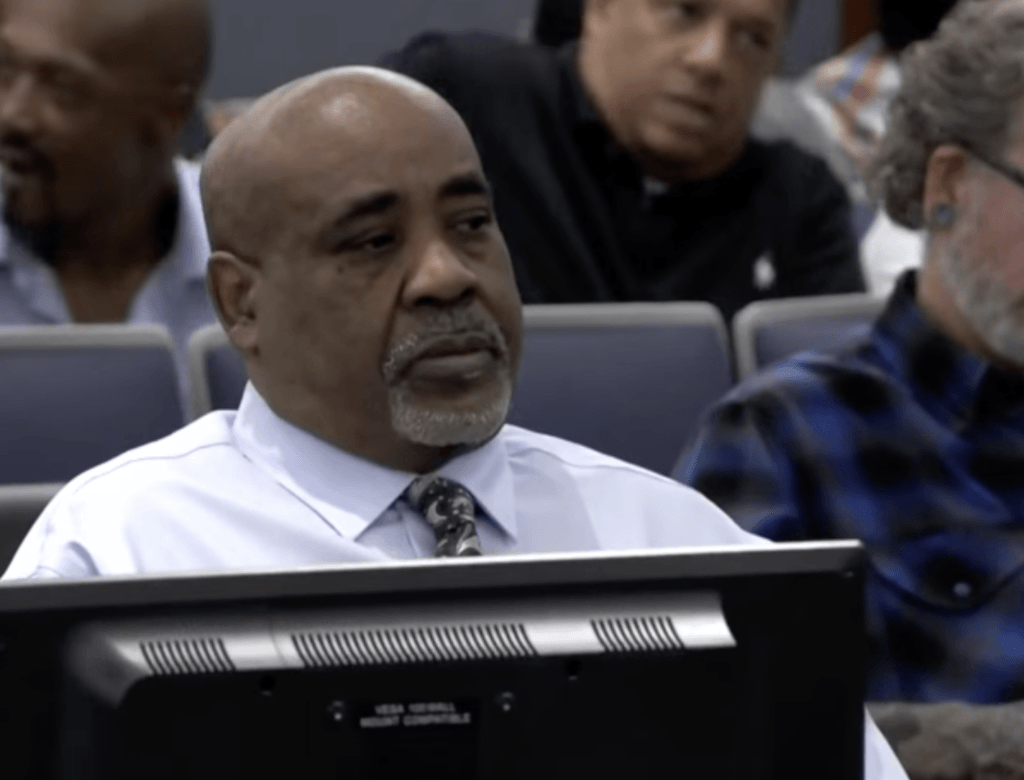
Tupac’s trial in Las Vegas began with Davis, 63, facing a murder charge in connection with the death of the hip-hop icon. Davis, whose Vegas home recently got burglarized, has pleaded not guilty, while prosecutors allege that he organized and directed the attack that killed Shakur.
Per Rolling Stone, Chief Deputy District Attorney Binu Palal told jurors that Davis did not fire the fatal shots. However, Palal said prosecutors would present evidence that Davis planned the retaliation after Shakur and members of his entourage were involved in a confrontation with Davis’ nephew, Orlando “Baby Lane” Anderson, at the MGM Grand earlier that evening.
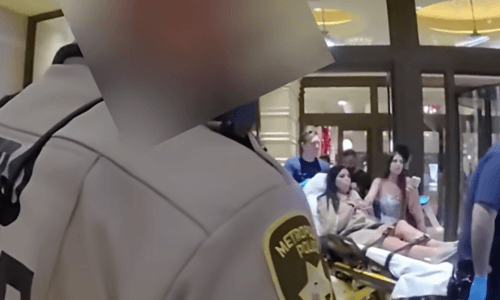
According to prosecutors, the confrontation occurred after a Mike Tyson boxing match. Security footage from the incident was shown to jurors as the state outlined its theory of the case. Palal argued that the subsequent killing was driven by retaliation for Anderson’s beating.
The prosecution has also pointed to Davis’ past statements as a central part of its case. Palal told jurors that Davis discussed his alleged role in interviews with authorities, subsequent public appearances, and his 2019 memoir, “Compton Street Legend.”
Prosecutors Call Tupac’s Killing ‘An Act of Revenge’

In opening statements, Palal described the state’s account of the events surrounding Shakur’s death. He told jurors that prosecutors believe Davis helped organize the retaliation and ensured those involved were prepared when the opportunity arose.
Prosecutors played portions of a 2008 interview in which Davis discussed the events surrounding the shooting. The state argues that his own statements provide evidence of his alleged involvement. However, Davis’ attorney, Michael Sanft, challenged the prosecution’s narrative. In his opening statement, Sanft argued that the case lacks sufficient corroborating evidence and questioned why Davis was not charged after making earlier statements to investigators.
Sanft also disputed whether prosecutors could establish that Davis was present in Las Vegas at the time of the killing. The defense characterized Davis’ past accounts as unreliable and described the prosecution’s version of events as “fiction.” The competing arguments have placed Davis’ previous statements at the center of a case that remained unresolved for decades.
A Long-Unsolved Case Returns to a Las Vegas Courtroom
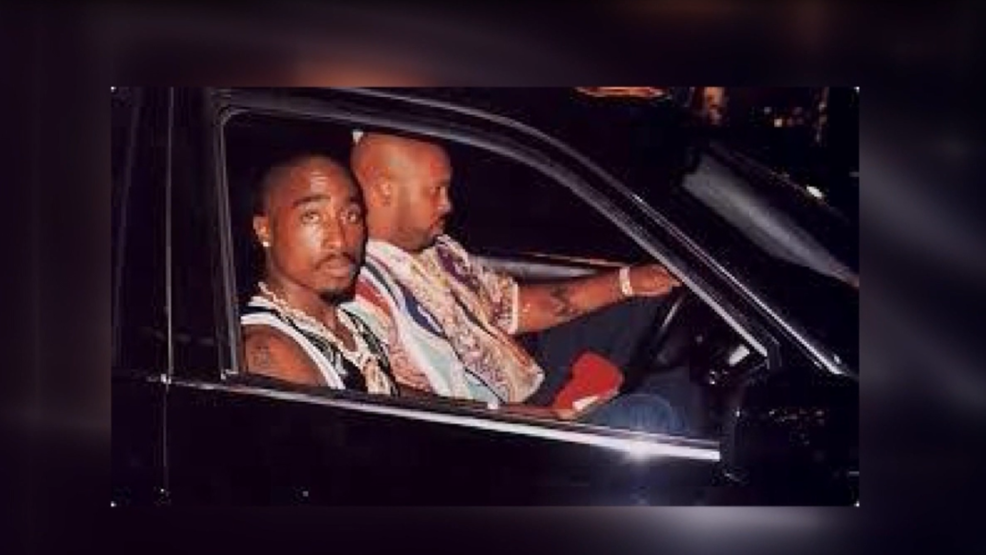
Shakur was 25 when he died following the September 7, 1996 attack in Las Vegas. He had been riding with Death Row Records co-founder Marion “Suge” Knight after leaving the Mike Tyson fight at the MGM Grand.
The killing became one of the most prominent unsolved cases in hip-hop history. For years, investigators did not bring criminal charges in connection with Shakur’s death. Davis was arrested in September 2023, becoming the first person charged in the case.
The trial now brings decades of investigations, interviews and disputed accounts before a Clark County jury. Prosecutors maintain that Davis played a key role in planning the retaliation, while the defense argues that the evidence does not support the charge.
As the proceedings continue in Las Vegas, jurors will weigh the prosecution’s evidence against the defense’s challenges. It is safe to say this is one of the most closely watched criminal cases connected to the history of hip-hop.