Duane “Keffe D” Davis has been sentenced to 40 years to life in prison for the 1996 murder of rapper Tupac Shakur. A Las Vegas judge handed down the sentence on Tuesday, October 13. This ruling marked a landmark event, bringing a major development to a case that remained unsolved for decades.
Keffe D Sentenced for Tupac Shakur Murder
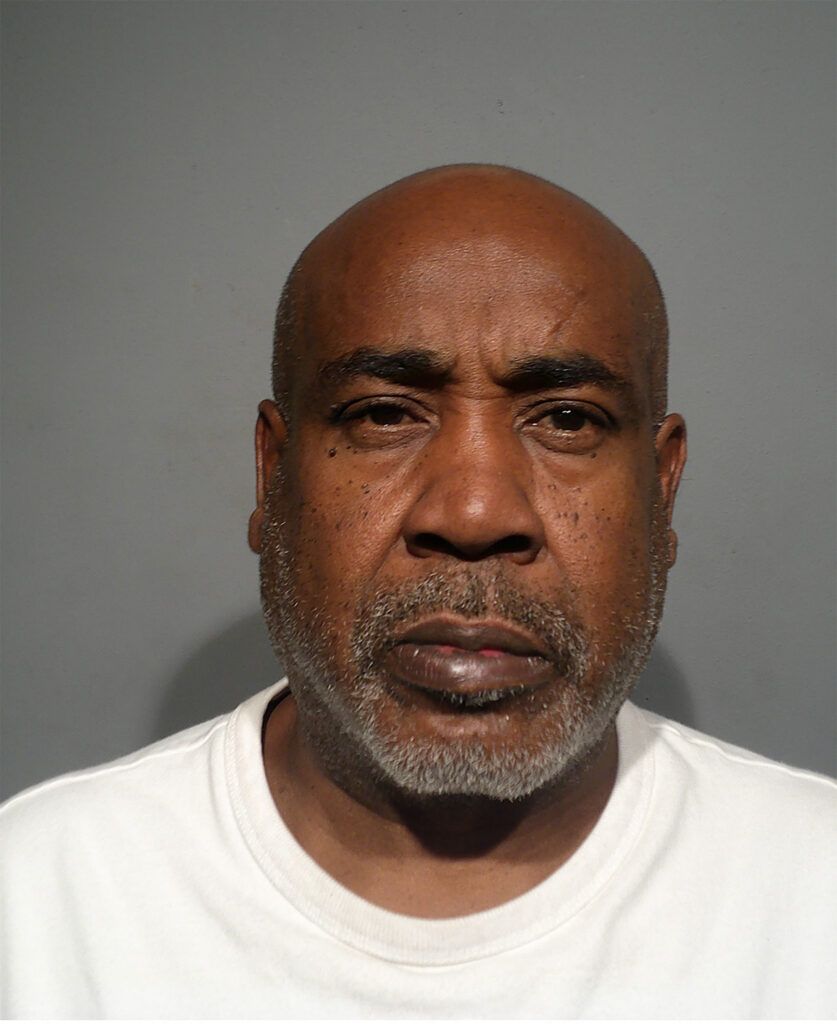
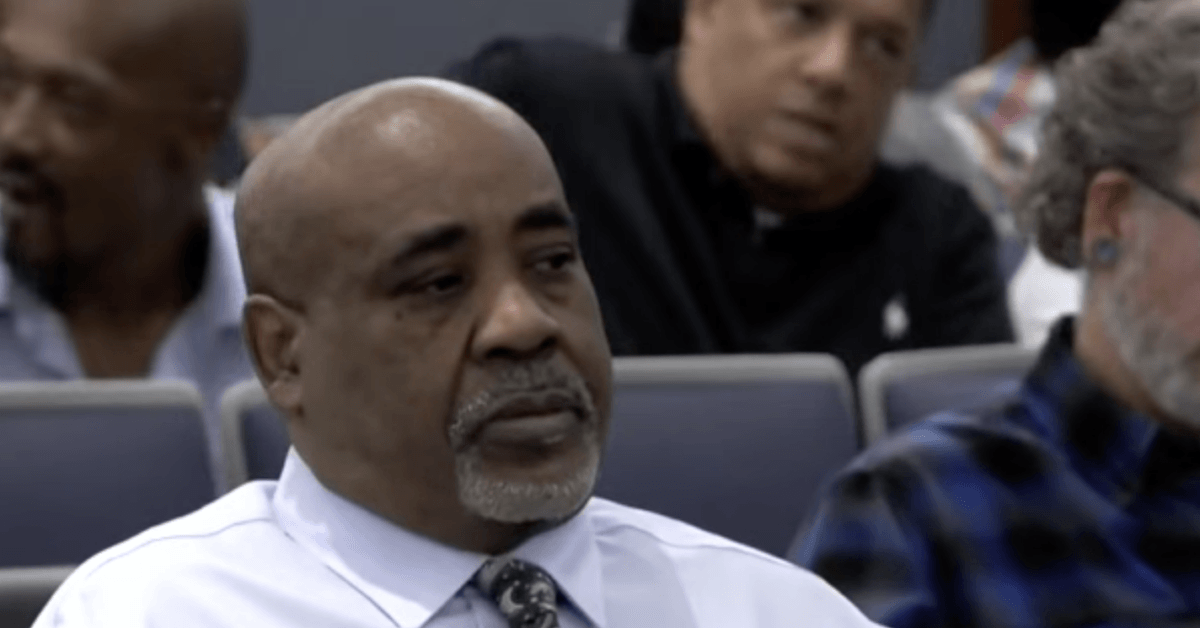
Judge Carli Kierny sentenced Davis, 63, after a jury convicted him in August of first-degree murder involving the use of a deadly weapon. The sentence carries credit for time he has already served, according to CBS News.
Prosecutors had charged Davis with murder involving a deadly weapon, with an allegation that the crime promoted, furthered, or assisted a criminal gang. They later said the state would dismiss the gang-related portion of the charge.
During the sentencing hearing, Davis briefly addressed the court. He asked for some belongings seized by police from his home, including photographs, to be returned. He told the judge he had nothing further to say.
Clark County District Attorney Steve Wolfson said the sentence brought a measure of justice for Shakur and his loved ones. He also acknowledged that prison time could not bring the rapper back, while expressing hope that the outcome would offer some peace to his family after nearly three decades.
How Prosecutors Connected Davis to Tupac Shakur’s Death

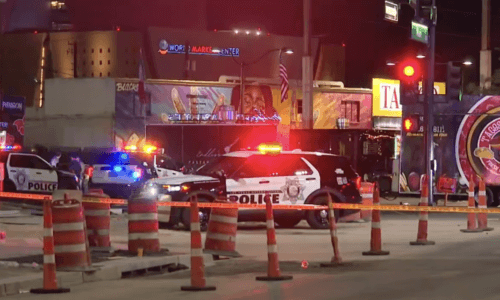
Shakur was shot while sitting in a vehicle at a Las Vegas intersection on September 7, 1996. He died six days later at age 25. Music executive Marion “Suge” Knight, who was in the vehicle with him, also suffered injuries but survived.
The investigation remained unresolved for years. Davis later spoke publicly about his presence in the white Cadillac that investigators linked to the shooting. He also discussed his involvement in his 2019 memoir, “Compton Street Legend.”
Prosecutors argued that Davis helped orchestrate the attack as retaliation for an earlier altercation involving his nephew, Orlando “Baby Lane” Anderson, and Shakur’s associates. Chief Deputy District Attorney Binu Palal told jurors that Davis and others sought revenge after the confrontation.
According to the prosecution, four men were inside the Cadillac. Davis was the only surviving occupant by the time authorities arrested him in 2023. Anderson, whom prosecutors linked to the earlier altercation, died in 1998.
Defense Challenged Evidence in the Decades-Long Case
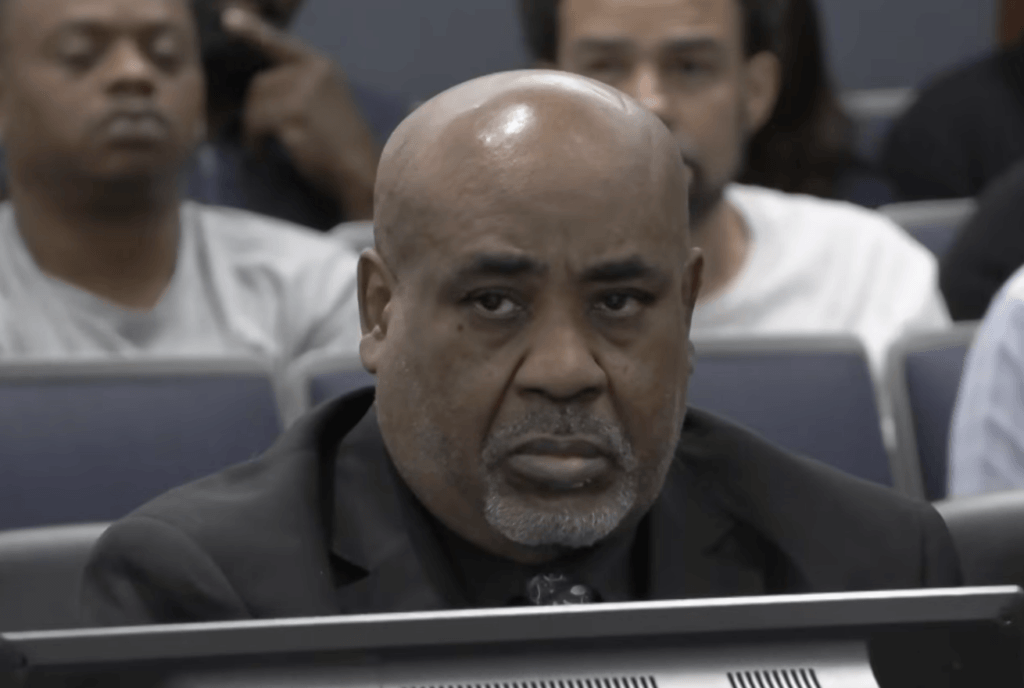
Davis pleaded not guilty and challenged the prosecution’s account throughout the trial. His attorney, Michael Sanft, argued that Davis’ statements were not supported by tangible evidence placing him in Las Vegas on the night of the shooting.
The defense also challenged the use of Davis’ memoir as evidence. Prosecutors, however, relied on his public accounts and other statements to support their case.
The jury found Davis guilty in August, making the verdict a turning point in one of hip-hop’s most closely followed murder investigations. The sentencing now establishes the prison term following that conviction.
Shakur remains an influential figure in hip-hop, known for music that addressed social issues, street life, and personal struggles. His killing became one of the most widely discussed cases in music history, with questions surrounding the shooting persisting for nearly 30 years.